1) Validate Your Idea Before You Build (Don’t Guess—Test)
What is the problem it solves?
Why would people select your app over the one they already use?
What motivates people to pay, subscribe, or suggest it?
- Talk with potential users: Post in communities, ask specific questions, and listen intently.
- Conduct basic surveys: Use brief surveys to identify priorities and pain areas.
- Create a landing page: Describe your application’s concept, features, and benefits. Track sign-ups to gauge interest.
- Use mockups or clickable prototypes: Figma, for example, can help you visualise how the app might look.
Most successful applications begin with a rudimentary version. An MVP is the smallest version of your app that provides a single evident advantage. Instead of trying to build everything at once, concentrate on one core problem and master it completely.
Ask yourself:
What is your mobile application’s main outcome?
What feature is necessary to get that outcome?
What can you postpone till a later version?
Examples of MVP features:
A rudimentary booking system.
A simple habit tracker.
A simplified meal planner
A tool that organises content for a certain niche.
An alert-based solution that saves time
3) Improve based on user feedback, not your opinions.
Your role will change once you have launched your MVP. Listen now.
User feedback is valuable because it shows you what people actually experience—what they enjoy, what confuses them, and what keeps them from continuing.
To receive positive feedback:
- Use in-app prompts such as “Was this helpful?”
- Encourage reviews in the App Store.
- Monitor metrics such as session duration, feature utilisation, and drop-off points.
- Read user comments and problem reports regularly.
- Is there a common problem with this step among users?
- Is a particular feature infrequently used?
- Do users want similar improvements?
- Then prioritise fixes and enhancements depending on their impact. A successful app changes with its users.
4) Focus on Simple Marketing That Reaches the Right People
Many app authors believe that marketing demands a large investment. No, it does nothing. What matters most is to get your app in front of the correct people with a clear message.
Begin with a powerful positioning statement.
- What exactly does your app do?
- Who is it intended for?
- What outcome will the user get?
- Social Media Content: Share quick tips, problem-solving blogs, and behind-the-scenes updates.
- App Store Optimisation (ASO): Include relevant keywords in your app’s title, description, and screenshots.
- Influencer outreach (for a small number of creators): Find micro-influencers in your niche and give them early access.
- Community partnerships: Join organisations, forums, or local communities where your target audience already spends time.
- Email lists or waitlists: Capture potential users’ interest right away and keep them engaged.
Your marketing strategy should be in line with the value of your app. If your app helps customers save time, focus on “time-saving” rather than random feature lists.
5) Keep Your App Reliable, Fast, and Simple to Use.
Even if your idea is brilliant, people will leave if the software appears broken or difficult. The “easy” element of making an app idea a success is mainly reliant on usability and reliability.
Focus on:
- Fast loading times.
- Clear navigation
- Simple onboarding (so users know how to use it immediately)
- A bug-free core experience
- Consistent design (buttons, layouts, and colours should be familiar)
- Good accessibility essentials (readable fonts, good contrast, and easy interaction).
Additionally, following launch, schedule periodical updates:
- Fix major bugs immediately.
- Improve user-requested features.
- Maintain compatibility with newer OS versions.
- Monitor performance to ensure that crashes do not negatively impact your evaluations.
An app that runs smoothly fosters trust, which leads to retention and referrals.
Putting It All Together
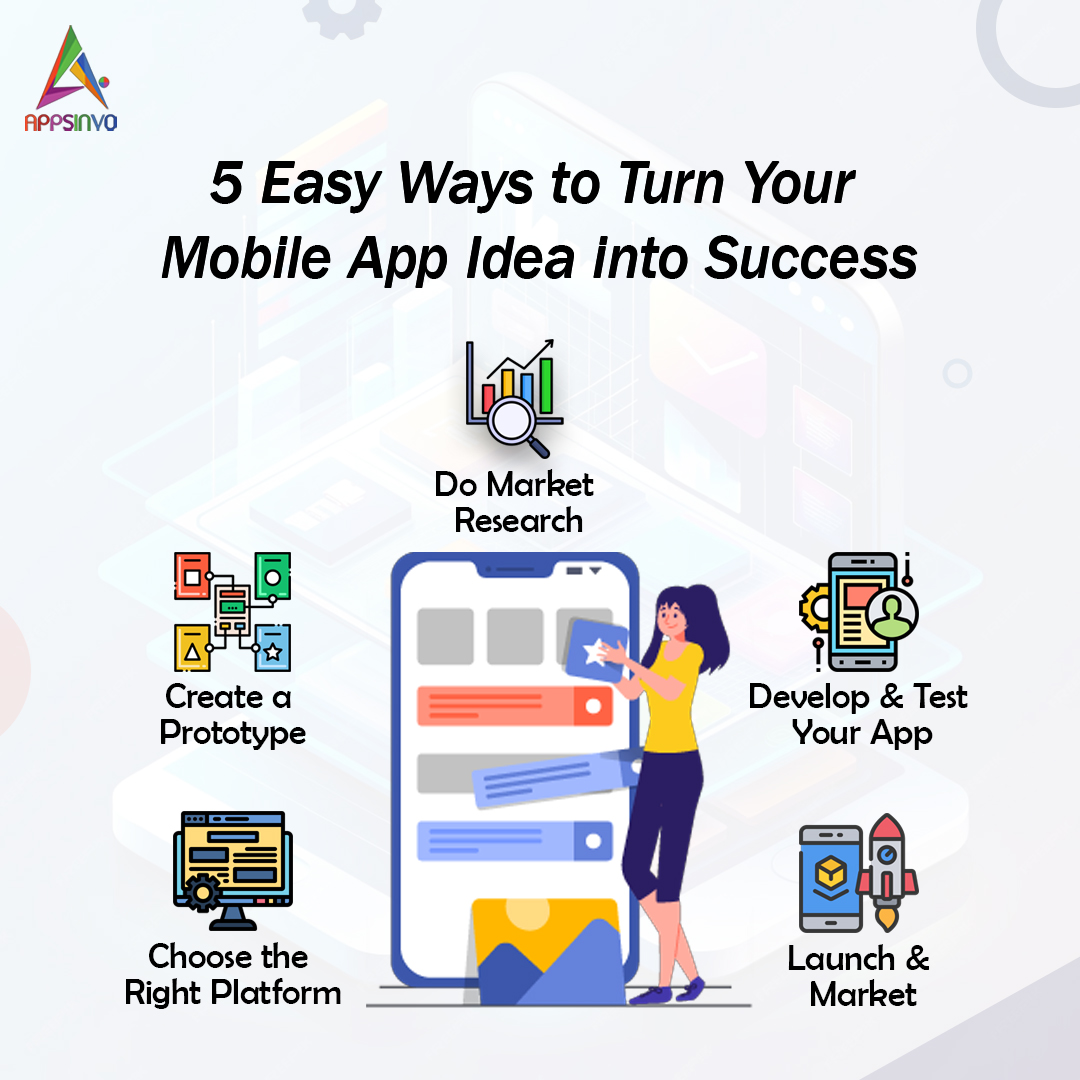
- Validate your idea by speaking with real users and assessing their interest.
- Develop a minimum viable product that addresses a single fundamental issue.
- Learn from feedback and improve what is most important.
- Market clearly to the right individuals with low-cost tactics.
- Provide a dependable experience, with usability and performance as priorities.
When you focus on these five processes, you reduce risk while increasing your chances of creating something that users actually value. Success with mobile apps is usually achieved by creating the right thing for the right audience and then enhancing it over time.
If you want, tell me about your app idea (what it does, who it’s for, and what problem it answers), and I’ll help you create an MVP and a basic launch strategy.