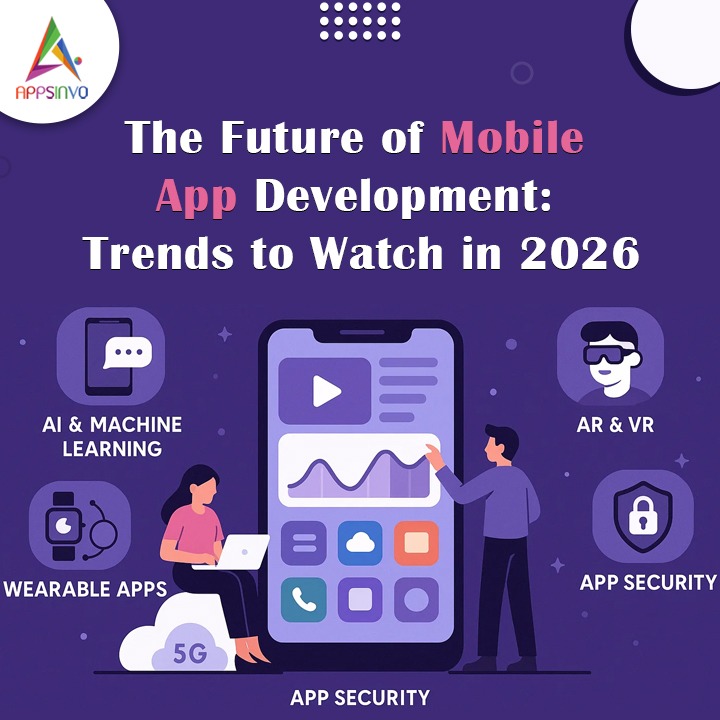
As technology advances, the demand for new mobile applications grows. With rapid improvements, understanding the future of mobile app development and identifying trends to watch in 2026 is critical for firms looking to stay competitive. This article will look at major trends like AI and machine learning integration, 5G technology, AR/VR, IoT-enabled apps, blockchain acceptance, cross-platform development, improved app security, super apps, and the increase of on-demand solutions.
The Power of AI and Machine Learning Integration
AI and machine learning are set to dominate mobile app development by enhancing user experiences and streamlining app functionalities.
Practical Applications
- Personalized User Experiences: Apps like Netflix and YouTube employ machine learning algorithms to analyze user preferences, providing tailored content suggestions.
- Predictive Analytics: Retail apps leverage AI to predict purchasing behaviors, optimizing inventory management and marketing strategies.
Why It Matters
By 2026, AI integration is expected to expand, allowing developers to create more intuitive apps that adapt to user needs, thereby improving engagement and satisfaction.
The Impact of 5G Technology
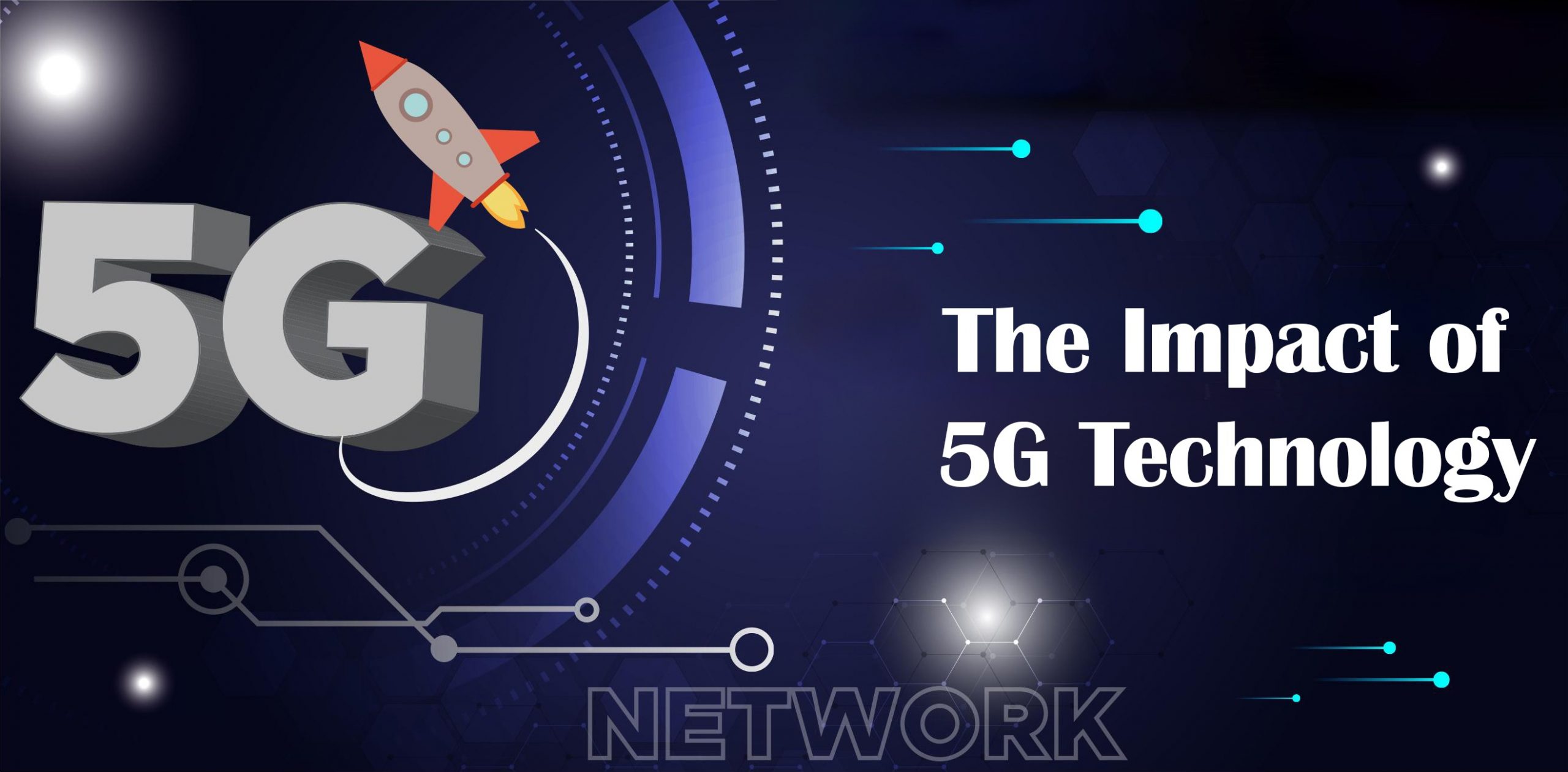
5G technology offers revolutionary improvements in mobile connectivity, enabling faster data transfer and lower latency. This technology will significantly impact the functionality and capabilities of mobile applications.
Key Benefits
- Enhanced Speed: Users can expect quicker downloads and higher-quality streaming services.
- Improved Connectivity: Real-time features will flourish in applications, particularly in gaming and video conferencing.
Industry Examples
- Gaming: Mobile games that utilize complex graphics will benefit from 5G, allowing for smoother and more engaging experiences.
Embracing Augmented Reality (AR) and Virtual Reality (VR)
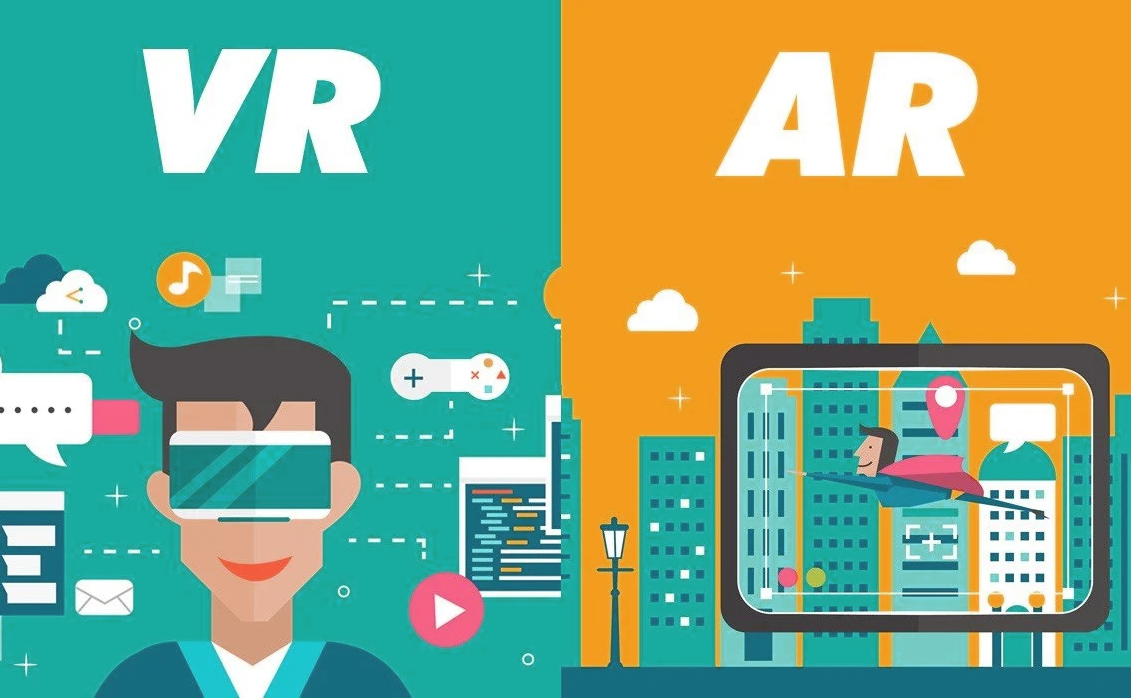
AR and VR are increasingly becoming essential components of mobile applications, offering immersive user experiences that help firms stand out.
Use Cases
- Retail: Apps like Zara allow customers to virtually test on garments using augmented reality, which improves the online buying experience.
- Travel: VR travel apps can provide virtual tours of destinations, allowing users to make more educated travel decisions.
Future Considerations
In 2026, AR and VR are expected to gain popularity in industries such as healthcare, education, and real estate, increasing user engagement and providing new solutions.
IoT-enabled applications
Application of IoT in Development
- Smart Home Management: Apps can control everything from security cameras to smart thermostats, resulting in seamlessly connected home environments.
- Healthcare Monitoring: IoT-enabled apps can provide real-time health monitoring by transmitting critical data straight to healthcare providers.
Growth Potential
The integration of IoT with mobile apps is expected to increase, allowing businesses to develop creative solutions that improve convenience and user experience.
The Function of Blockchain in App Development

Advantages of Blockchain
- Data Security: Blockchain’s decentralised nature provides strong protection against hacking and data breaches.
- User Trust: Blockchain-enabled apps can provide secure transactions, which increases user engagement.
Industry Applications
- Finance: Mobile banking apps are increasingly embracing blockchain to provide secure and transparent transactions.
- Supply Chain: Blockchain improves traceability in supply chain applications, allowing users to track product sources.
Cross-Platform Development: A Growing Necessity
Cross-platform app development is becoming more prevalent as businesses look to reach a larger audience without incurring excessive costs.
Benefits of Cross-Platform Development
- Cost-Effective: Develop once and deploy across multiple platforms, reducing time and development expenses.
- Consistent User Experiences: Ensure uniform functionality and user interface across devices.
Tools to Leverage
- Flutter and React Native: These frameworks are gaining popularity for their ability to streamline development processes while improving UI/UX consistency.
Prioritizing App Security
As mobile threats become more sophisticated, app security is more critical than ever. By 2026, strengthened security measures will be a prominent trend.
Best Practices for App Security
- Data Encryption: Safeguarding user data through encryption is fundamental to preventing breaches.
- Multi-Factor Authentication (MFA): Incorporating MFA enhances security by adding an extra layer of protection.
Importance of Security
Investing in app security not only mitigates risk but also builds trust with users, fostering long-term loyalty and brand reputation.
The Emergence of Superapps
Features of Super Apps
- Multi-Functionality: Super applications integrate messaging, e-commerce, payment systems, and social networking to provide a smooth user experience.
- Increased User Engagement: By keeping users within a single ecosystem, they promote app usage and loyalty.
Notable Examples:
The Rise of On-Demand Solutions
On-demand mobile solutions cater to the growing consumer demand for convenience and immediate access to services. This trend is reshaping various industries, such as food delivery and transportation.
On-Demand App Examples
- Food Delivery Services: Applications like DoorDash and UberEats provide convenience by connecting customers with local restaurants.
- Ride-Sharing: Platforms such as Lyft and Uber have changed the way people commute, offering quick and efficient service.
Future Insights
On-demand solutions are expected to continue expanding, driven by user demand for immediacy and convenience, reinforcing their importance in the app development landscape.
Conclusion: Future Insights for Businesses
The future of mobile app development is really promising. Businesses may stay ahead of the curve through monitoring trends like AI integration, 5G technology, AR/VR, IoT-enabled apps, blockchain, cross-platform development, robust app security, super apps, and on-demand solutions.
To flourish in this ever-changing landscape, organisations must adapt to new technologies and prioritise user-centric solutions. The key to success will be to leverage these patterns to design apps that not only match current consumer expectations but also predict future requests. Businesses that remain innovative and knowledgeable can secure their position in the ever-changing world of mobile app development.
Follow and Connect with us on
Facebook | Instagram | Linkedin | Twitter | Tumblr | Pinterest