Understanding the Difference Between a Mobile App and a Website
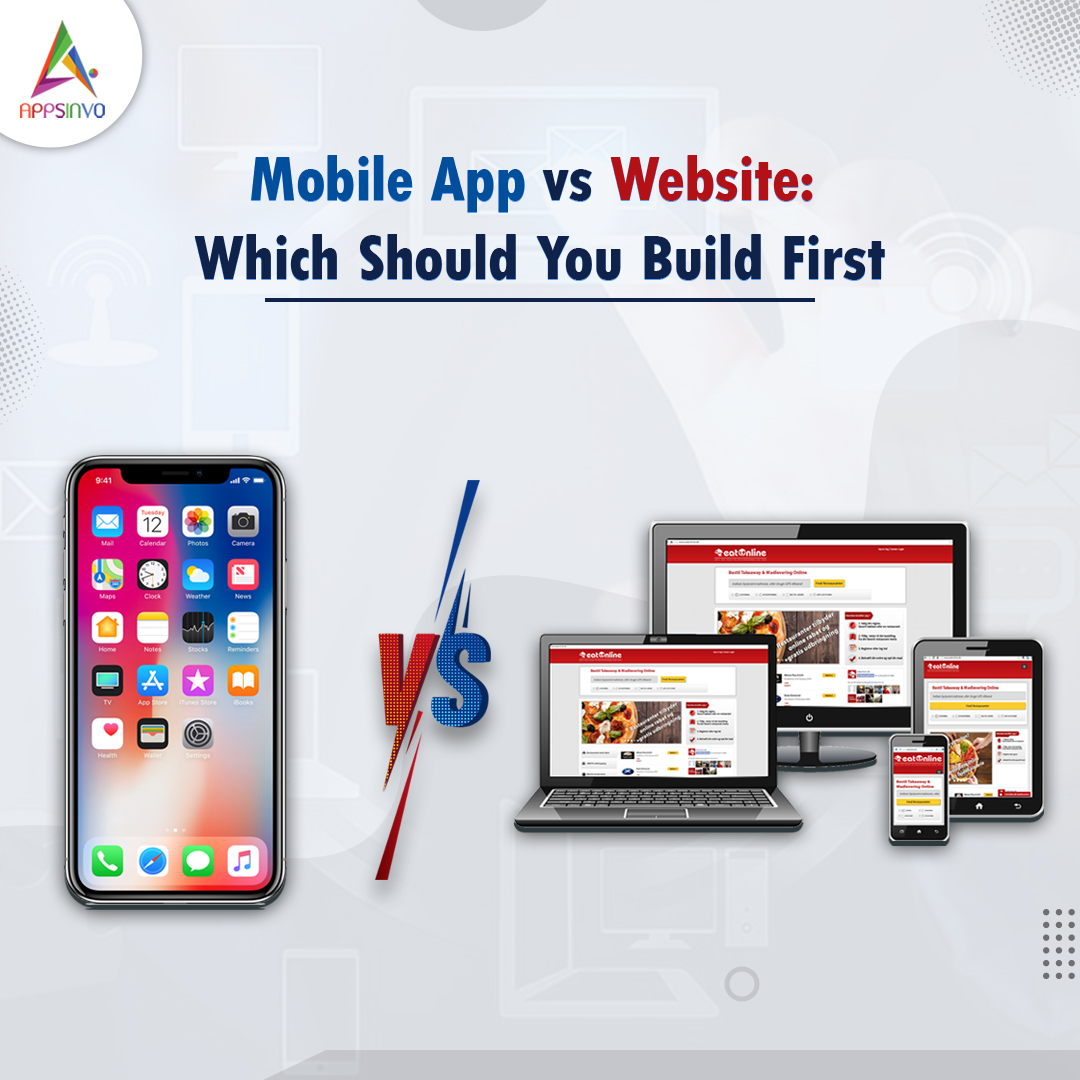
What is a website?
Key characteristics of a website:
- Works in a web browser (no installation required)
- Great for content marketing and Business Website storytelling
- Easier updates—change content without releasing a new build
- Highly discoverable through search results
What is a mobile app?
Key Features of a Mobile App:
- Installation is required (or a framework-based app-like experience).
- Supports push notifications and background processes.
- Can work offline (depending on the architecture).
- Provides a more personalised, “native-feeling” experience.
When do businesses typically use websites?
Most businesses start with a website because it helps them:
- Introduce services and build trust
- Rank on Google and attract inbound leads
- Offer contact forms, booking requests, and FAQs
- Publish blogs, guides, and updates
When are mobile apps more beneficial?
Mobile apps become more valuable when users need repeat actions such as:
- Checking status, scheduling, or tracking
- Messaging, payments, or account access
- Personalized recommendations
- Smooth interactions with device features
- Ongoing engagement over time
In short, Website vs Mobile App comes down to whether you need broad discovery and content reach (website) or deeper engagement and recurring use (app).
Benefits of Building a Website First
Lower development costs.
Faster launch
You can go live quickly, which matters when:
- you need early customer feedback
- your marketing campaigns are already planned
- you want to validate demand before investing in larger Mobile App Development Services
Better search engine visibility (SEO)
Easier content updates
Accessibility across devices.
Ideal for startups and service-oriented enterprises.
Benefits of Developing a Mobile App First
Better customer engagement
Apps create a stronger connection because they feel “built for the user.” You can design flows for repeat usage, not just one-time browsing.
Push notifications
Push notifications help you:
- remind users of upcoming bookings
- increase re-engagement
- share promotions instantly
- update users about order or status changes
This is a major advantage in customer journeys that must happen repeatedly.
Personalised user experience
Offline functionality
Increased client retention
Increased brand loyalty
Higher performance than mobile websites
Website vs Mobile App Comparison
To make the decision easier, here’s a practical overview comparing Website vs Mobile App across important factors:
| Factor | Website | Mobile App |
|---|---|---|
| Development cost | Usually lower | Usually higher |
| Development time | Faster to launch | Longer due to builds & platform support |
| User experience | Good for browsing and content | Strong for repeat actions and workflows |
| SEO benefits | Strong (search indexing) | Limited (depends on app store + metadata) |
| Customer engagement | Lower than apps | Higher via notifications & personalization |
| Maintenance | Easier updates | Ongoing support, OS compatibility, store releases |
| Accessibility | Works on any browser device | Requires install (or app framework) |
| Performance | Varies by device & network | Often optimized for the device |
| Offline support | Limited | Possible with offline features |
| Scalability | Scales with backend infrastructure | Scales with app architecture and APIs |
| Security | Needs web security best practices | Needs app security + API security |
| Business suitability | Great for discovery | Great for engagement and transactions |
This table shows why many companies choose the path that matches their customer behavior and business priorities.
Factors to Consider Before Making a Decision:
Business Goals
Ask yourself:
- Do you want inbound leads (SEO and content)?
- Do you want repeat usage (retention and loyalty)?
- Do you need payments, booking, or account features?
Target Audience
Consider:
- Are users already trained to use apps?
- Do they access your services while on the go?
- Is your audience comfortable downloading new apps?
Budget
Budget affects scope. Compare App Development Cost and Website Development Cost, but also consider ongoing support.
Timeline
If you need to launch quickly, start with the option that supports immediate value.
Required Features
List your “must-haves,” such as:
- booking management
- real-time tracking
- user profiles
- messaging and notifications
- admin dashboards
- integrations (CRM, payments, maps)
Marketing Strategy
Your channel matters:
- Content marketing and SEO align with a website
- Push notifications and app engagement align with mobile apps
- Many teams use both—website for discovery, app for engagement
Long-Term Growth
Think beyond launch:
- Will you add new features later?
- Do you need scalability for more users or regions?
- Do you plan to support Android App Development, iOS App Development, or both?
When Should You Build a Website First?
An app-first approach works best when users need to complete frequent tasks from their phone.
Examples include:
- Food delivery
- Taxi booking
- Healthcare apps
- FinTech
- Fitness apps
- E-commerce
- Social networking
- On-demand services
- Logistics
- Entertainment platforms
Why app-first works for these businesses:
- Users want fast interactions and smooth flows
- Push notifications improve retention and repeat orders
- Device features enable advanced experiences (GPS tracking, camera scanning, biometric login)
- Offline and account continuity can improve reliability
Should Startups Build Both?
Use an MVP strategy
Instead of building a full product at once, start with an MVP:
- identify the core feature set
- validate user interest
- improve based on real feedback
Website first + app later
A common approach is:
- launch a Business Website first
- collect sign-ups and leads
- confirm demand
- build the app once usage signals are strong
Landing page before app
If you’re pre-market or early-stage:
- use a landing page to test messaging
- track conversions
- use results to shape App Development Solutions
Progressive scaling
Plan features in stages:
- Phase 1: basic services + booking or lead capture
- Phase 2: user profiles and notifications
- Phase 3: advanced integrations and automation
Cost optimization
A phased plan helps manage app development cost and prevents overspending before validation.
User validation
Most startups underestimate validation. Your users tell you what matters. Building too early can cost time and money.
Cost comparison
Estimated development cost ranges (typical market estimates)
- Basic website: $300–$500
- Business website: $1,000–$2,000
- E-commerce website: $2,000–$3,000+
- Basic mobile app: $3,000–$8,000
- Medium-complexity app: $4,000–$80,000
- Enterprise mobile app: $10,000–$20,000+
Why Businesses Choose Appsinvo
Choosing a partner matters as much as choosing the platform. Appsinvo supports businesses across the full journey—from strategy to delivery to ongoing optimization.
When clients work with Appsinvo, they can explore options such as:
- Custom Mobile App Development
- Android App Development
- iOS App Development
- Cross-Platform App Development
- Website Design and Development
- Mobile App Development Services
- Business Website Development
- MVP Development
- Enterprise Mobile App Development
- App Development Solutions with AI-powered capabilities where relevant
- Cloud Integration
- App Maintenance & Support
- UI/UX Design
- Agile Development Process
- Experienced Developers
- On-time Delivery
- Transparent Pricing
- Global Client Support
- App Development Company in India with an international delivery mindset
Common Mistakes Businesses Make
Even when teams have good intentions, certain mistakes can derail projects. Here are the most common issues to avoid.
1) Ignoring target audience
If your customers rarely use apps, app-first can stall. If your audience searches for services, website-first can unlock traction.
2) Choosing technology too early
Picking frameworks or platforms before finalizing features can increase rework.
3) Skipping market research
Without research, you may build the wrong features or miss the right messaging for your buyers.
4) Underestimating maintenance costs
Apps require updates for new OS versions. Websites require security patches and content updates. Budget for ongoing support.
5) Ignoring SEO
A mobile app doesn’t replace SEO for many businesses. If you want organic discovery, invest in the web presence too.
6) Poor UI/UX
If the booking flow, onboarding, or navigation is confusing, users will abandon the experience.
7) Lack of scalability planning
When your user base grows, your system should grow with it—APIs, architecture, and performance must be designed for scale.
Conclusion
FAQs
1. Should a startup build a website or mobile app first?
2. Is a mobile app more effective than a website for business?
3. What is the price difference between website and app development?
4. Can a business have both a website and a mobile app?
Yes. A common strategy is:
- Website for SEO and credibility
- Mobile app for engagement, bookings, payments, or loyalty
Together, they support a smoother customer journey.
5. How do I decide whether to build a website or an app first?
Start by mapping your goals and user behavior:
- If you need discoverability and lead generation, prioritize Website Design and Development
- If you need repeat usage, notifications, and personalized workflows, prioritize Custom Mobile App Development
Then align features, timeline, and budget.
Call to Action (CTA)