
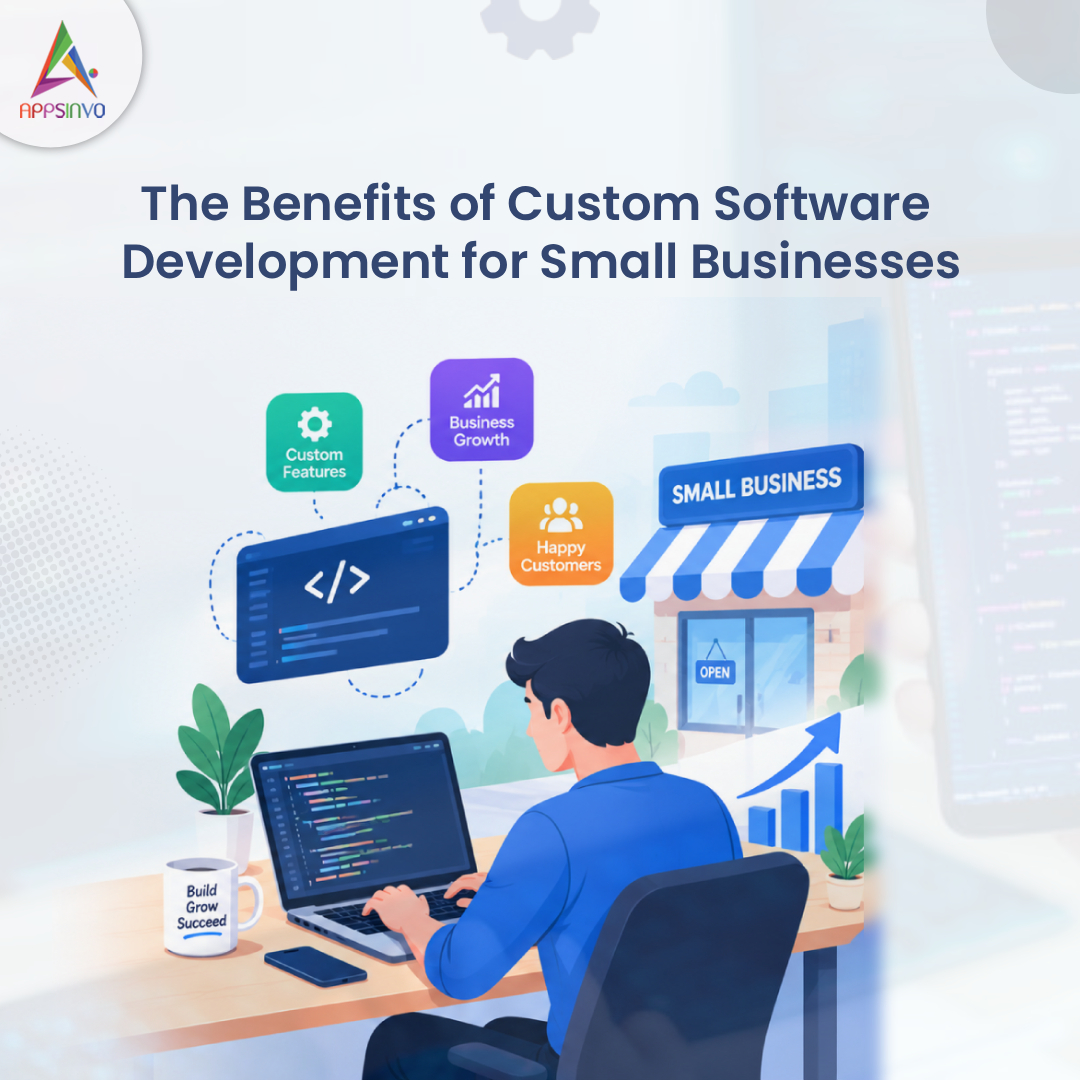
The Benefits of Custom Software Development for Small Businesses

0
26
Custom Software Development for Small Businesses
Every small company operates in a unique manner. Because off-the-shelf software is designed for the typical user, it frequently requires you to adapt your procedures to meet the tool. Custom software reverses this: it is designed to fit your business, process, and goals.
Custom software development may be a wise investment for small firms looking to expand without wasting time or money. This explains why.

What Is Custom Software Development?

Custom software development is the process of designing, building, and maintaining software made specifically for one business. It can be a web application, a mobile app, a customer portal, an inventory system, a CRM, or an internal automation tool. Unlike ready-made packages, it includes only the features you need and works the way you work.

1. Tailored to Your Exact Business Needs

Ready-made tools come with features you may never use and often miss the ones you actually need. Custom software is planned around your processes, so every feature has a purpose. Your team spends less time on workarounds and more time on real work.

2. Better Efficiency Through Automation

Small teams often lose hours on repetitive tasks such as data entry, invoicing, report generation, and follow-ups. Custom software can automate these tasks and connect your systems in one place. This reduces human error, saves time, and lets your employees focus on activities that grow the business.

3. Scalability as Your Business Grows

Many off-the-shelf tools become expensive or limiting once your customer base grows. Custom software is built to scale. You can add new features, users, integrations, and modules whenever your business needs them, without switching to a new platform.

4. Cost-Effective in the Long Run

Custom software needs a higher upfront investment than a subscription tool, but it can save money over time. You avoid recurring license fees per user, paid add-ons, and the cost of combining several tools to cover one process. You pay for what you need and own the solution.

5. Easy Integration With Existing Systems

Most businesses already use accounting software, payment gateways, marketing tools, or third-party APIs. Custom software can integrate smoothly with these systems, so data flows automatically and you avoid duplicate work.

6. Stronger Security and Control

Popular software products are common targets for attackers. Custom solutions can include security measures designed around your data and compliance needs, such as role-based access, encryption, and secure authentication. You also decide when and how updates happen instead of depending on a vendor.

7. A Real Competitive Advantage

When your competitors use the same generic tools, it is hard to stand out. Custom software lets you offer unique features, faster service, and a better customer experience. A branded mobile app or customer portal, for example, can make a small business look as professional as a much larger one.

8. Dedicated Support and Flexibility

With packaged software, you are one customer among thousands. With a custom solution, you work directly with the development team that understands your product. Bugs get fixed faster, and new features can be added as your needs change.

Is Custom Software Right for Your Business?

Custom software is a good fit if:

  • Your current tools do not match your workflow
  • You spend too much time on manual or repetitive tasks
  • You are paying for multiple tools that do not work together
  • You plan to scale and need a flexible system
  • You want to offer a unique digital experience to customers

If your needs are very basic, a ready-made tool may be enough for now. Many businesses start with off-the-shelf tools and move to custom software as they grow.

How to Get Started

  1. Define your goals. Identify the problems you want the software to solve.
  2. List key features. Separate must-haves from nice-to-haves.
  3. Start with an MVP. Build a minimum viable product first, then expand based on real feedback.
  4. Choose the right development partner. Look for a team with relevant experience, clear communication, and post-launch support.

Frequently Asked Questions

How much does custom software development cost for a small business?
The cost depends on features, complexity, platform, and timeline. Starting with an MVP helps you control the budget and add features later.

How long does it take to build custom software?
A simple solution can take a few weeks, while larger systems may take several months. A clear scope and requirements speed up the process.

Can custom software be updated later?
Yes. Custom software is designed to be flexible, so new features, integrations, and improvements can be added as your business grows.

Conclusion

Custom software development gives small businesses the power to work smarter, serve customers better, and grow with confidence. Instead of adapting to generic tools, you get a solution made for your goals.

At Appsinvo, we help startups and small businesses build secure, scalable, and user-friendly web and mobile solutions tailored to their needs. Ready to turn your idea into a powerful software solution? Contact Appsinvo today for a free consultation.


Explore the Following Mobile App Development Blogs:-

πŸ”—Boost App Speed with Smart Compression Methods in Mobile Development
πŸ”—Difference Between Kotlin and Flutter: A Complete App Development Comparison
πŸ”—The Future of Mobile App Development Trends Shaping 2026 and Beyond
πŸ”—Why Mobile App Development is Essential for Business Growth in the Digital Age
πŸ”—Mobile App Optimization: The Power of Data Compression Explained
πŸ”—Flutter vs. React Native: A Detailed Comparison for 2026
πŸ”—Android vs iOS: Which Platform is Better for App Development
πŸ”—How to Succeed in Mobile App Development (Step-by-Step Guide)
πŸ”—The Ultimate Guide to Creating Innovative Mobile Applications
πŸ”—Integrating AI in Mobile Apps: Use Cases, SDKs, and Privacy Considerations
πŸ”—Why Mobile App Development Is Essential for Business Growth
πŸ”—Image and Video Compression in Mobile Apps: A Complete Guide
πŸ”—How Much Does It Cost to Build an App in 2026?
πŸ”—How AI Is Transforming the Future of Mobile App Development
πŸ”—Mobile App Development Strategies for Beginners
πŸ”—Mobile App vs Website: Which Should You Build First
πŸ”—How to Reduce App Size Using Advanced Compression Techniques
πŸ”—How to Win Clients and Boost Sales with Mobile App Development
πŸ”—How to Make Your Mobile App Stand Out in Just 5 Days
πŸ”—3 Ways Social Media Can Impact Your Mobile App Business
πŸ”—From Idea to App Store: A Complete Mobile App Development Journey
πŸ”—Best Compression Strategies for High-Performance Mobile Applications
πŸ”—3 Effective Ways to Accelerate Mobile App Development
πŸ”—5 Things You Should Do Immediately for Mobile App Success
πŸ”—5 Simple Steps to Create an Effective Mobile App Development Strategy
πŸ”—Android vs iOS: Which Platform is Better for App Development?
πŸ”—5 Common Mistakes That Make Mobile App Development a Waste of Time
πŸ”—4 Ways to Boost Creativity in Mobile App Development
πŸ”—5 Easy Ways to Turn Your Mobile App Idea into Success
πŸ”—15 Proven Tips for Mobile App Development Success
πŸ”—3 Easy Ways to Speed Up Healthcare App Development
πŸ”—How to Learn Mobile App Development (Beginner’s Guide)
πŸ”—Android vs iOS App Development: Which is Better for Your Business?
πŸ”—How Custom Mobile App Development Can Boost Your Business Growth
πŸ”—Key Features Every Successful Business App Must Have
πŸ”—The Future of Mobile App Development: Trends to Watch in 2026
πŸ”—Step-by-Step Guide to Developing a Successful Mobile App in 2026
πŸ”—The Importance of App Testing: Ensuring Quality in Mobile Development
πŸ”—Top Features Every Leading Mobile App Development Company Offers
πŸ”—Choosing the Right Technology Stack for Your Mobile App
πŸ”—Β How to Optimize Your Mobile App for Performance and User Experience
πŸ”—Β On-Demand App Development: Why It’s Growing Rapidly in 2026
πŸ”—Β Mobile App Development Lifecycle: From Planning to Deployment
πŸ”—Β The Future of Mobile Apps: AI and Machine Learning Integration
πŸ”—Β What Is the Cost of Designing a Mobile App?
πŸ”—Why Cross-Platform App Development is a Smart Choice in 2026
πŸ”—Β Common Mistakes to Avoid in Mobile App Development
πŸ”—Β The Complete Guide to Google Play App Store Optimization for Android Apps in 2025
πŸ”—Β Building a Mobile App from Scratch
πŸ”—Β Mobile App Development Company Growth Strategies in India
πŸ”—Β Latest Top 10 UX/UI Tools Used For App Design
πŸ”—Β Roles of Mobile App Consulting Services for Your Business App
πŸ”—Β Top Techniques to Build and Develop the Best Mobile App for Business
πŸ”—Β What Are the Basics of Mobile App Development?
πŸ”—Β How to Choose the Right Mobile App Development Company
πŸ”—Β Top 15+ Tools for Building a Mobile App
πŸ”—Β How Does User Experience Impact Mobile App Development?
πŸ”—Β What are the Best Practices for Mobile App Development?
πŸ”—Β 6 Benefits of Outsourcing to a Mobile App Development Company
πŸ”—Β The Impact of Technology on Mobile App Development Companies in India
πŸ”—Β What are the Key Considerations for Mobile App Creation?
πŸ”—Β Mobile App Development Company Growth Strategies in India
πŸ”—Β What are the Best Practices for Mobile App Development?
πŸ”— How Does User Experience Impact Mobile App Development?
πŸ”— What Are the Basics of Mobile App Development?
πŸ”— How to Choose the Right Mobile App Development Company in 2024
πŸ”— 10 Essential Steps for Mobile App Development
πŸ”— How Can Mobile App Development Benefit Your Business?
πŸ”—10 Reasons to Invest in a Top Mobile App Development Company in India
πŸ”—Β Top Trends in Mobile App Development for 2024
πŸ”—List of Top 10 Mobile App Development Frameworks in 2024
πŸ”—Exploring the Future of Augmented Reality in Mobile App Development
πŸ”—Β Challenges of Enterprise Mobile App Development
πŸ”—Β Top Mobile App Development Using Angular Frameworks
πŸ”—Β Why IoT is the Future Of Mobile App Development?
πŸ”— Significance of DevOps in Mobile App Development
πŸ”— Worst Mobile App Development Mistakes to Avoid
πŸ”—Β Factors That Affect the Success of Web & Mobile App Development
πŸ”—Β Cloud-Native App: The Future of Mobile App Development
πŸ”— Stages of Cross-Platform Mobile App Development
πŸ”—Β Important Points to Follow for Mobile App Development
πŸ”—Β Benefits of Integrating IoT into Mobile App Development Process
πŸ”—Β Progressive Web Apps- A New Trend of Mobile App Development
πŸ”—Β Points You Must Consider While Mobile App Development
πŸ”—Β What is the Future of Mobile App Development

LEAVE A REPLY

Please enter your comment!
Please enter your name here